

Continuing its 2018 commitment to achieve 100% net zero emissions electricity, Columbia University has again taken action to mitigate emissions associated with its greenhouse gas (GHG) emissions from purchased electricity.

Welcome new students, and welcome back to those returning to campus for a new Fall semester! There's no better time to provide an overview of the myriad climate and sustainability initiatives at Columbia. Along with University partners like the Columbia Climate School, Facilities and Operations — and the students who use our campus as a living lab for research, education, and operational progress each semester — climate and sustainability are embedded into each aspect of campus life.
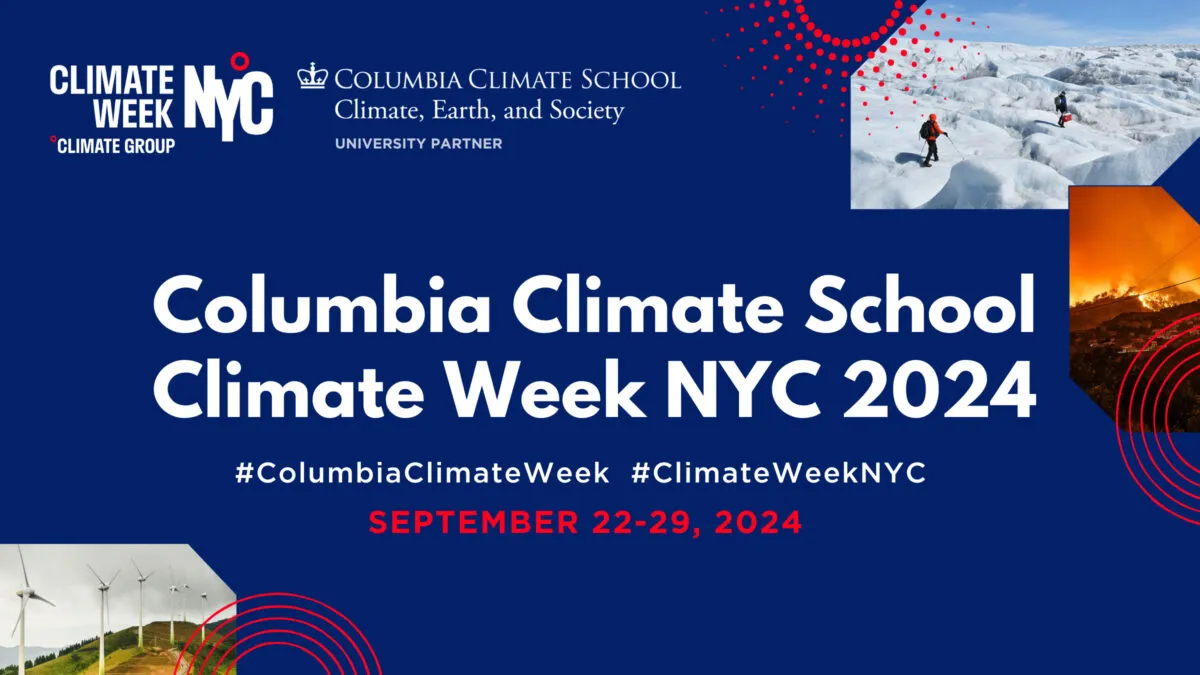
The Climate Group has once again selected the Columbia Climate School as its university partner for this year’s Climate Week NYC. Running from Sept. 22-29, Climate Week NYC convenes key climate leaders to accelerate climate action and is the largest annual global climate event of its kind.

Columbia University signed onto the NYC Mayor's Office of Food Policy Plant-Powered Carbon Challenge in December 2023 as the first of 18 "inaugural signatories." In its first annual report, the Mayor's Office recognizes Columbia as a key participant. Read the report.

As Columbia works to achieve its goal of net zero greenhouse gas (GHG) emissions by 2050 or sooner, a number of energy conservation measures (ECMs) are being completed across Columbia’s campuses at any given time. ECMs can help reduce the University’s energy expenditure in the short-term while longer-term projects, like building electrification renovations, are in the works.

On August 7, a diverse group of practitioners, activists and business and community leaders gathered for “Climate and Environmental Justice in Harlem: A Discussion of New York City’s Plans.”
As part of the city’s broader sustainability plan to reduce carbon emissions by the year 2030, the Plant-Powered Carbon Challenge calls on New York City’s private sector to reduce food-related carbon emissions 25 percent by 2030. In partnership with nonprofit Greener by Default, challenge participants are offered science and behavioral research to inform strategies and tools to track emissions through food procurement.
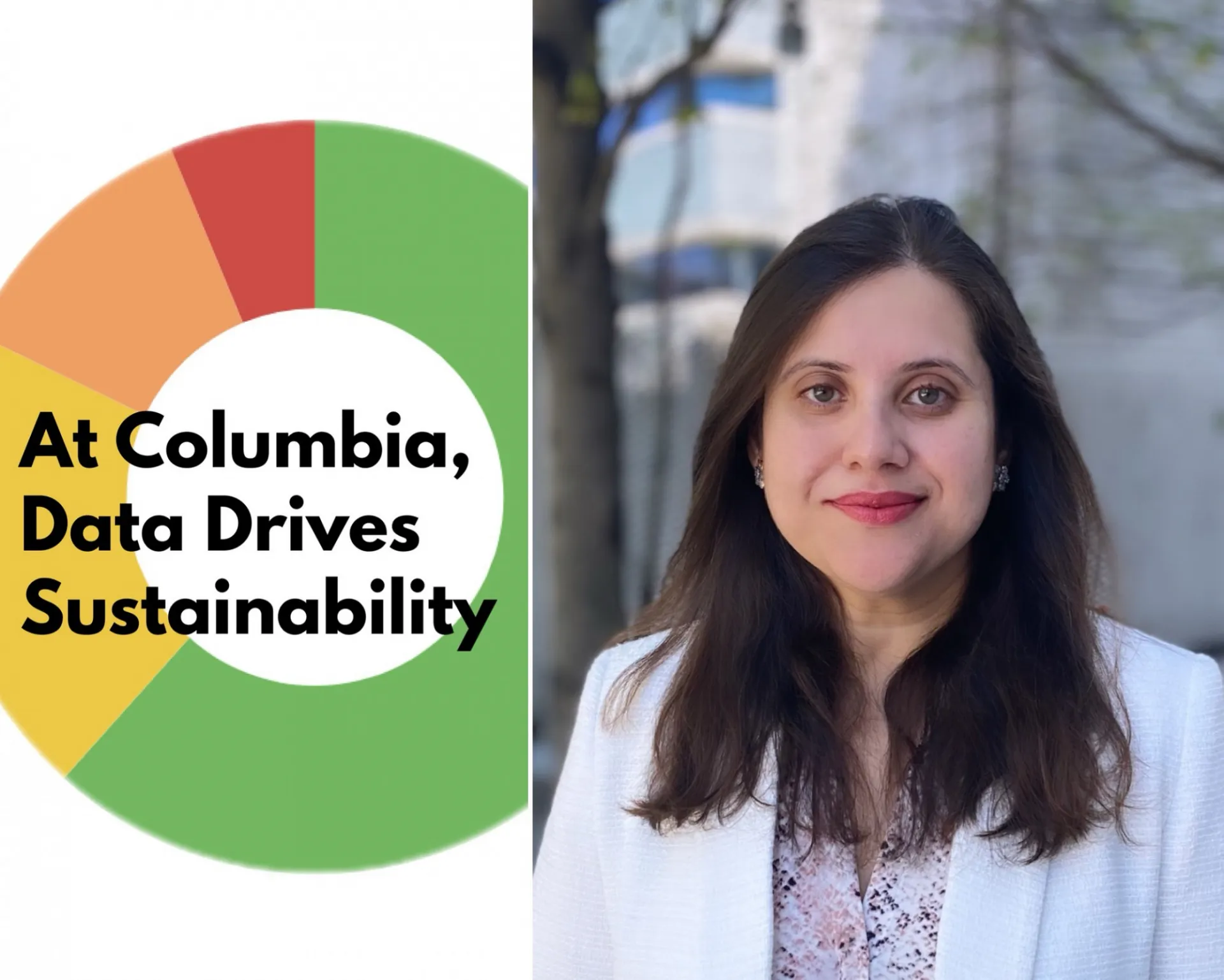
As Columbia University continues its efforts to reach net zero emissions by 2050 or sooner, the need for robust, complete data to drive decision-making is a top priority. Data is a critical component to Columbia’s sustainability efforts as it allows the University to measure progress, identify opportunities for improvement, and make strategic decisions to meet sustainability targets.
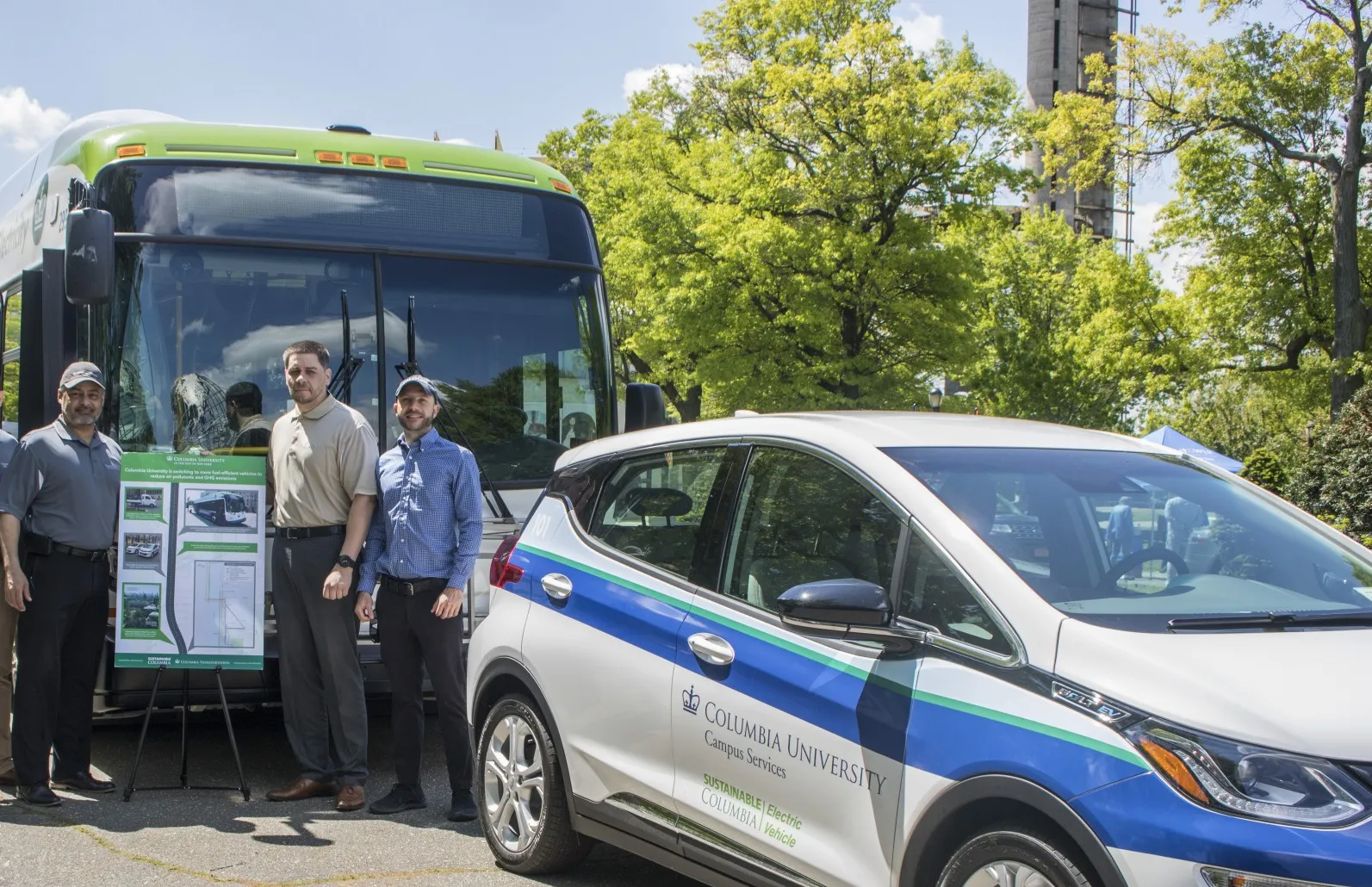
We asked Mike some questions about how his work incorporates sustainability and contributes to Columbia’s net zero goal.
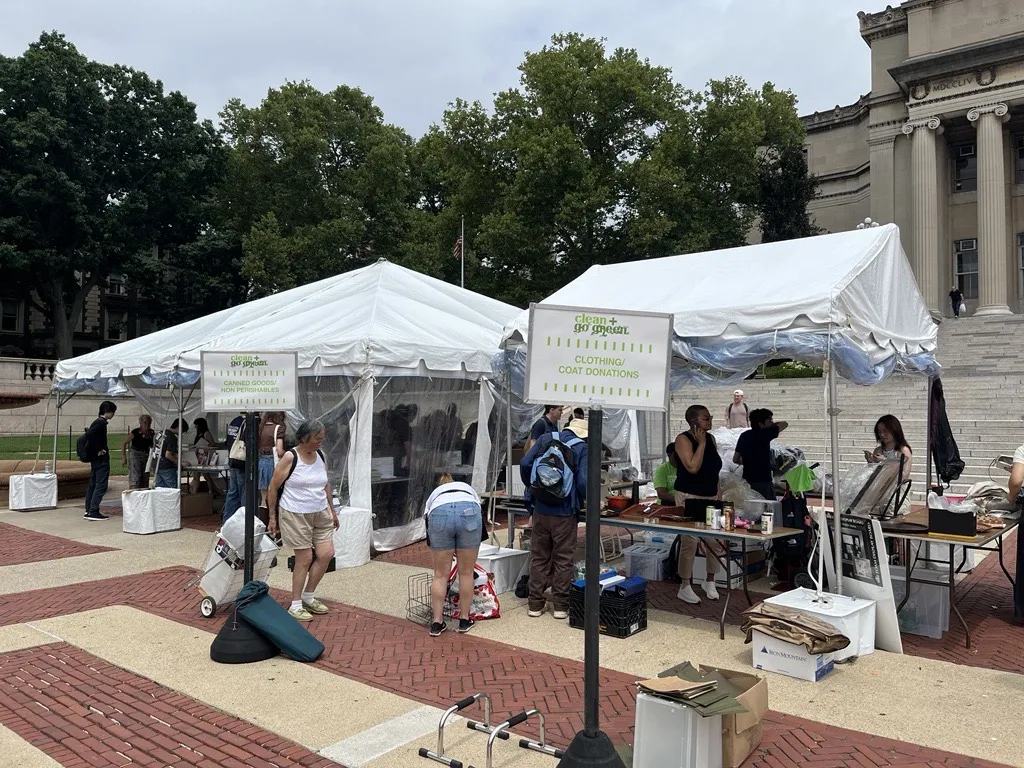
You may have seen the tents on the Morningside and Manhattanville campuses earlier this month. Maybe you even participated by donating clothing, recycling electronics, or rehoming a used book or two. But do you know the history of Clean + Go Green and how the event contributes to Columbia’s sustainability goals?
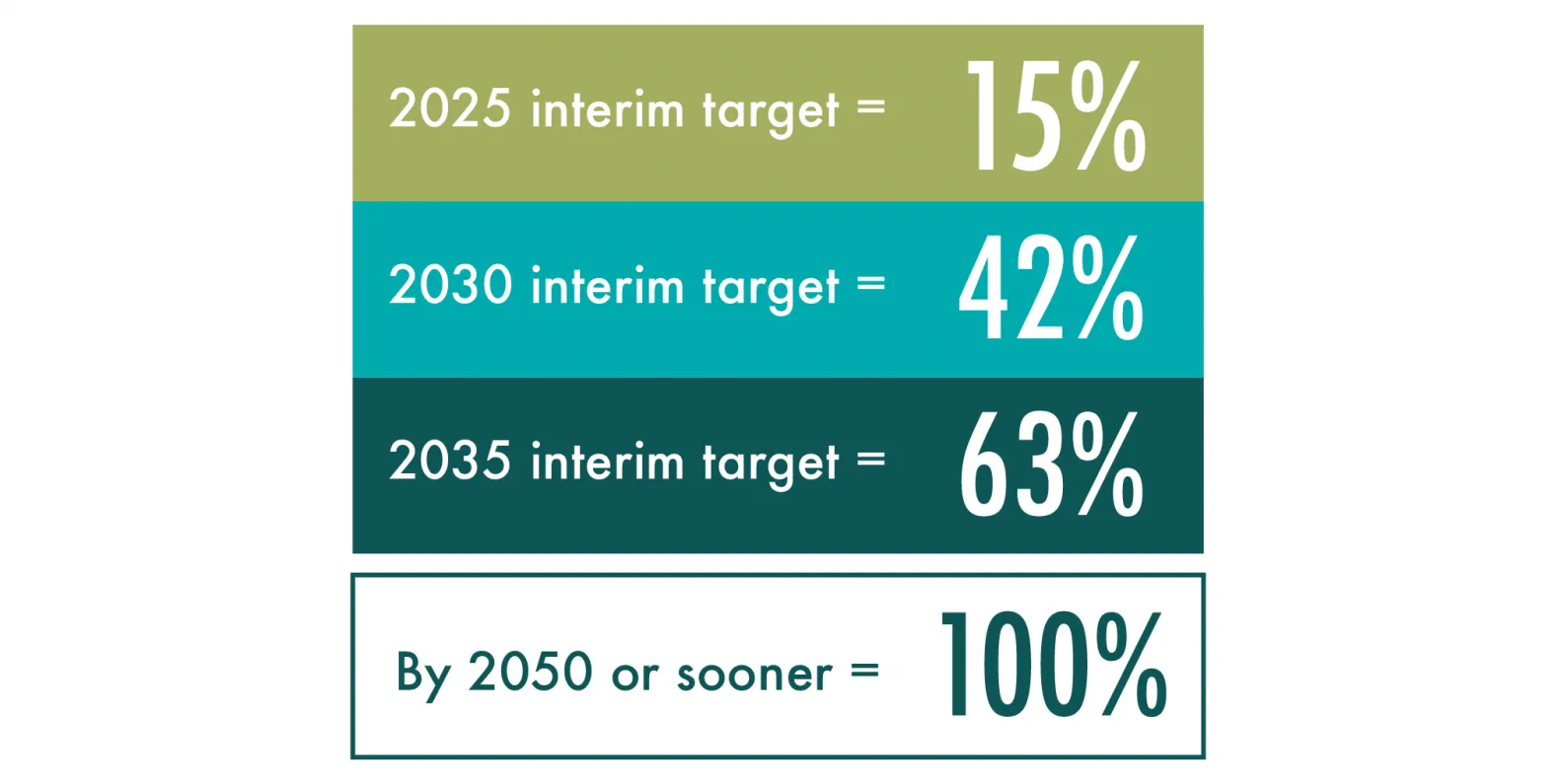
Columbia’s greenhouse gas (GHG) reduction goals stated in Plan 2030 are aligned with the Science Based Targets Initiative (SBTi) — a corporate climate action organization that enables companies and financial institutions worldwide to play their part in combating the climate crisis.
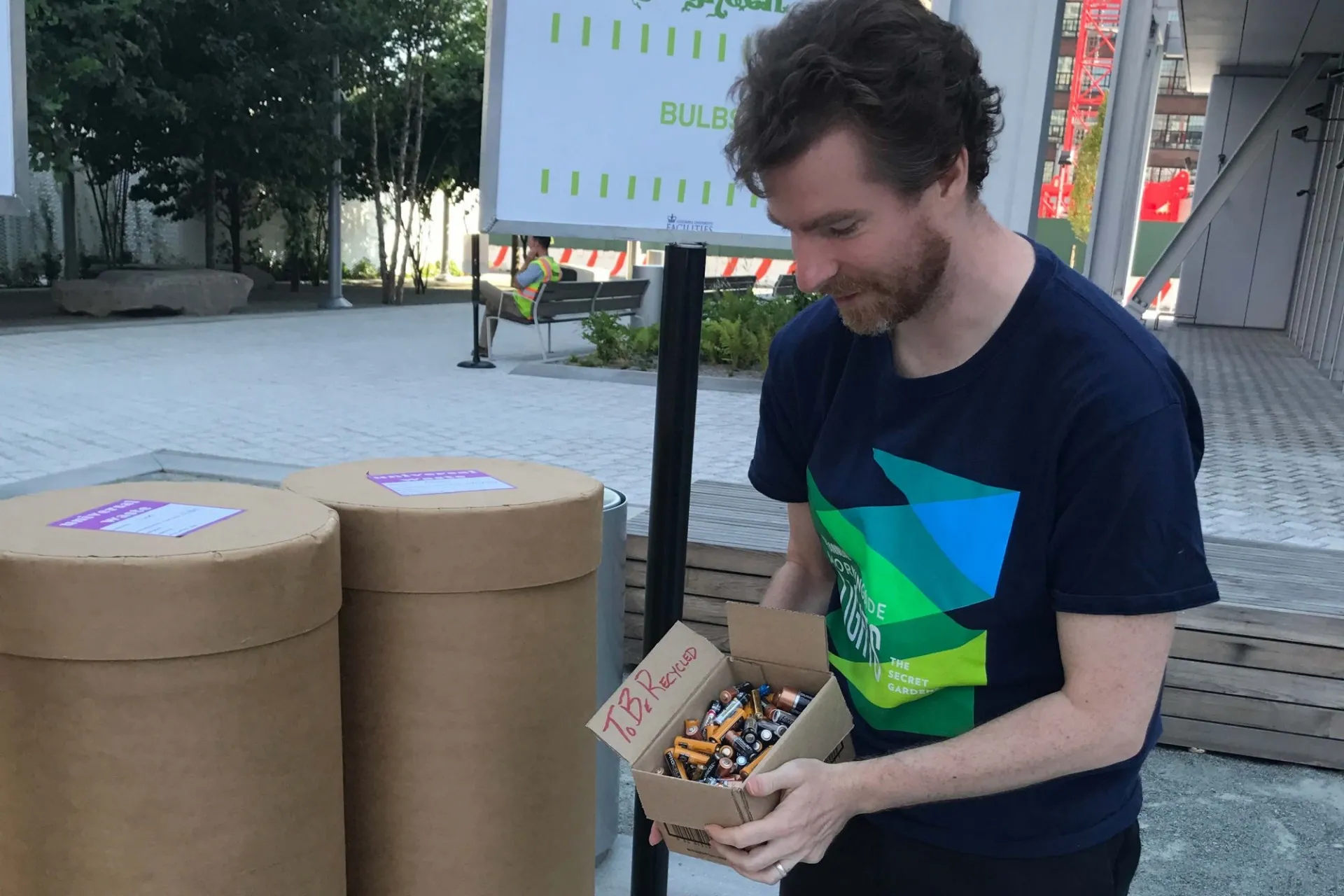
There’s no better time than the present to ... clean! Cleaning your office or living space creates more space and can also help the environment. Columbia University Facilities and Operations and our partners across campus want to help.